.avif)
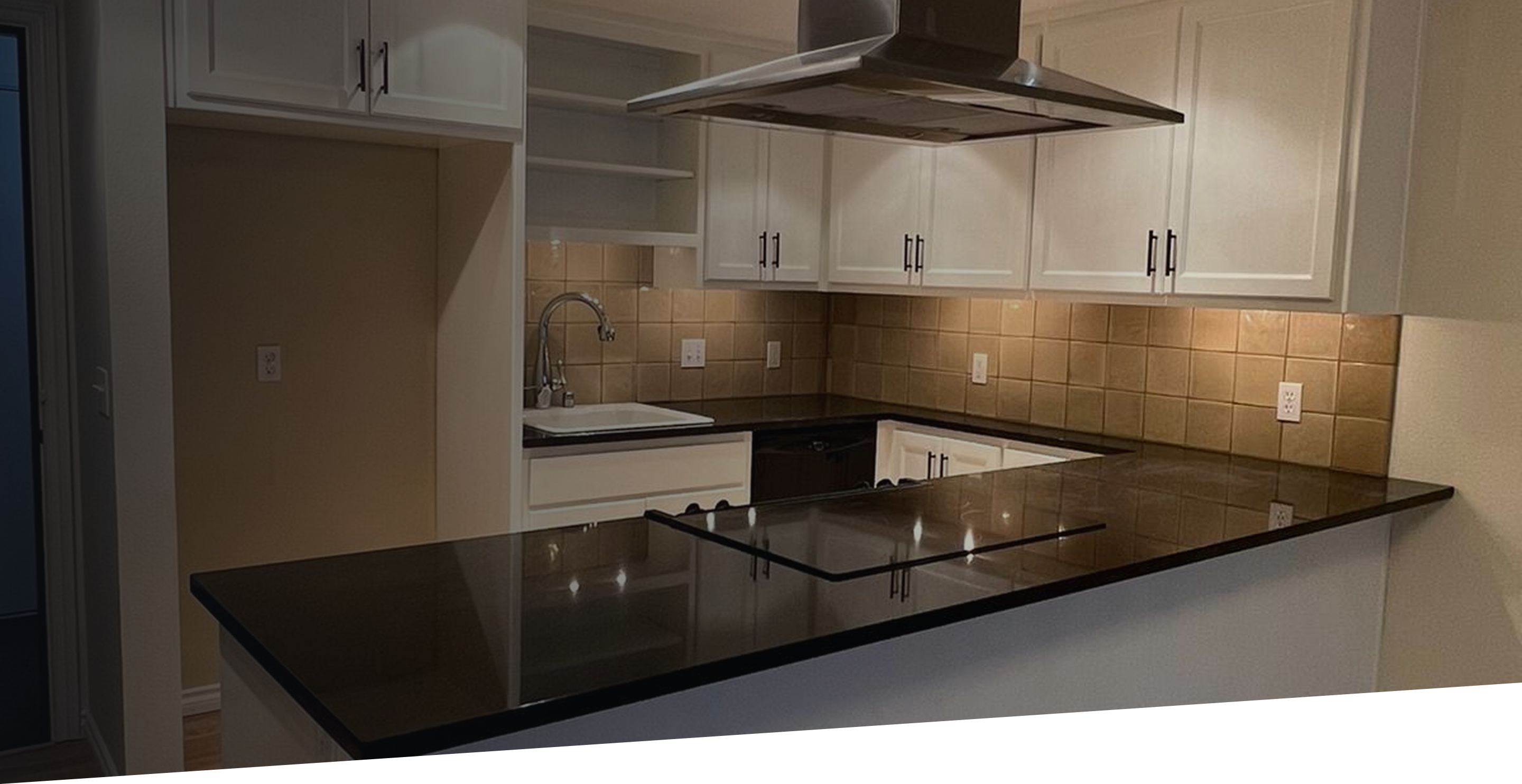
If your kitchen cabinet boxes are sturdy and you like the layout, painting is usually the smarter way to update the room. If the boxes are swollen, failing, or poorly arranged for how you cook and store things, replacement may be worth the larger project. The deciding factor isn't simply whether the doors look dated — it's whether the cabinetry underneath is worth keeping.
For Portland homeowners weighing cabinet painting against new cabinets, start with condition, function, finish expectations, cost, and disruption — in that order.
Are Your Cabinet Boxes Worth Keeping?
Open the doors and look past the color. Cabinet boxes are the fixed structures attached to the wall or floor; they matter more to this decision than handles or surface scratches. A new paint finish cannot strengthen a failing box.
Check these four things before choosing a finish:
- Structural soundness: Look for loose joints, sagging shelves, separating panels, or cabinets that shift when used.
- Moisture damage: Examine the sink base, dishwasher area, and any cabinets near plumbing. Swollen particleboard, soft wood, and recurring leaks need more than a coating.
- Door and drawer function: Check whether doors sit squarely, hinges hold, and drawers glide. Some hardware problems are repairable; widespread damage may change the economics.
- Surface material: Solid wood, previously painted wood, laminate, and thermofoil are not identical paint surfaces. The existing finish and substrate must be evaluated for adhesion and stability.
A cabinet can look worn yet remain a good painting candidate. Conversely, a fresh-looking door may hide a damaged box. If you're uncertain, ask a painting or cabinet professional to assess the construction before comparing bids.
When Does Painting Make Sense?
Painting is most appealing when the layout works, the cabinet boxes are sound, and your main complaint is appearance. Perhaps the kitchen functions well, but the stain looks orange, the doors feel dark, or you want a lighter color without changing countertops and flooring.
In that situation, keeping the existing boxes can reduce demolition and let the project focus on surface preparation and finishing. Minor dents, old hardware holes, and some worn doors may be repairable, subject to an on-site evaluation. Painting changes the look of cabinetry; it does not turn a weak substrate into a durable one.
Picture a kitchen with straight, dry boxes, useful storage, and an arrangement the homeowner likes. If the doors and finish are paint-compatible, the owner can often get the visual update they want without replacing the entire cabinet system — though that still depends on inspecting the real kitchen, not a generic example.
When Is Replacement the Better Choice?
Replacement becomes more compelling when the cabinets are failing or the layout is the problem. New paint won't create space for a larger refrigerator, add missing drawers, correct awkward corner storage, or move a sink to improve traffic flow.
Warning signs include repeated moisture intrusion, badly swollen cabinet components, extensive delamination, damaged mounting points, or repairs so widespread that keeping the boxes no longer makes practical sense. If the kitchen is being redesigned, new cabinetry may also be the right starting point.
Not every worn door means full replacement. Depending on the condition of the boxes, you may be able to replace selected doors or drawer fronts, update hardware, or consider refacing. Ask for those options to be evaluated alongside a full tear-out rather than treating "paint everything" and "replace everything" as the only choices.
How Do Painting and Replacement Compare?
Use the same kitchen, finish goals, and scope when comparing proposals. A low painting quote that excludes repair work isn't directly comparable to a replacement proposal that includes installation, trim, and disposal. Here's how the two approaches stack up:
- Cabinet condition — Painting is best when boxes and surfaces are serviceable; replacement can address boxes that are failing or unsuitable.
- Layout and storage — Painting keeps the existing footprint; replacement can change cabinet sizes, storage, and layout.
- Budget — Painting is usually a smaller project when boxes are reusable; replacement can include cabinetry, removal, installation, and related work.
- Disruption — With painting, doors may be removed and kitchen access limited during prep and coating; replacement removal and installation may affect nearby surfaces and trades.
- Waste and materials — Painting reuses more of the existing structure; replacement removes more material, with options depending on the remodel.
- End result — Painting gives a new color and surface finish while keeping the existing door profile; replacement gives new boxes, door style, configuration, and finish options.
For a budget reference, Futura Painting currently lists a typical Portland-area cabinet painting range of $3,000–$10,000 on its cabinet painting service page. That's published guidance, not a quote for your kitchen. Door and drawer counts, condition, preparation, and finish scope all affect the estimate, and a replacement bid needs its own itemized scope — don't assume one fixed price applies to every kitchen.
What Does a Professional Cabinet Painting Project Include?
A successful cabinet finish begins well before the final coat. Futura Painting's published cabinet process describes removing doors, drawers, and hardware; degreasing; sanding and priming as appropriate; spray-applied coatings; and careful reinstallation. The company offers on-site estimates so the work can be scoped to the actual kitchen.
Surface compatibility deserves specific attention. Sherwin-Williams' cabinet preparation guide emphasizes cleaning away kitchen oils and checking primer adhesion before moving ahead. A professional should explain the proposed preparation and coating system for your particular cabinet material, not just name a paint color.
Ask how the project will protect nearby surfaces, where doors will be finished, which components are included, when cabinets can be used again, and how chips or adhesion issues would be addressed. Product-specific drying and curing instructions should guide the schedule.
What Should You Ask Before Approving an Estimate?
A useful estimate answers more than "How much?" It should make the scope and the limits of the work clear. Bring these questions to the walkthrough:
- Are the boxes, doors, and drawer fronts all good candidates for painting? What damage needs repair first?
- Exactly which cabinet faces, interiors, edges, panels, and hardware are included — or excluded?
- What cleaning, repairs, primer, and coating system will be used for this material?
- Will doors and drawers be removed, and how will the kitchen be protected and usable during the job?
- What are the expected milestones, use restrictions, and written warranty terms for the proposed work?
- If any components should be replaced instead, can those be priced separately?
For older Portland homes, also discuss the age of the existing coatings before anyone disturbs them. The EPA's renovation guidance for pre-1978 housing explains why lead-safe work practices matter when painted surfaces may be disturbed. Don't sand an unknown older coating on the assumption that it's harmless.
What Is the Best Next Step for Your Portland Kitchen?
Start by deciding whether you want a different-looking kitchen or a differently functioning kitchen. If the layout works and the cabinet boxes are sound, a professional painting assessment is a sensible first step. If structural damage or a redesign is driving the project, ask a cabinet specialist about repair and replacement options before committing.
Futura Painting serves homeowners in Portland and the surrounding metro area. Explore our professional cabinet painting services or our Portland painting service area, then request an on-site estimate to see whether your kitchen is a good candidate for cabinet painting.
Frequently Asked Questions
Can worn cabinet doors still be painted?
Sometimes. Worn paint, minor dents, and hardware holes may be manageable with proper preparation. Doors that are swollen, peeling apart, badly warped, or covered in an unstable surface may need more extensive repairs or replacement. An adhesion check and a close look at the door material help determine the right approach.
Will painting make a kitchen look newly remodeled?
A new cabinet color can make a substantial visual difference, especially alongside updated hardware. But painting leaves the cabinet layout, door shape, and storage function largely unchanged. If you want taller cabinets, different door styles, or a new island arrangement, plan for additional carpentry or replacement rather than expecting paint to produce those changes.
Can you replace cabinet doors without replacing the boxes?
Potentially. If the boxes are sound and their dimensions work, replacing doors and drawer fronts can be an alternative to full replacement. Verify measurements, hinge compatibility, the condition of visible cabinet frames, and whether the resulting finish will look consistent.
Is cabinet painting always cheaper than replacement?
No single comparison fits every project. When sound cabinetry is kept and the work is mainly preparation and finishing, painting usually involves less scope than a full replacement. Extensive repairs, difficult surfaces, or a major redesign can change that equation. Compare written estimates that identify the same exclusions and related work.